


Post-cataract YAG laser treatment: Secondary cataract surgery
- Immediate & permanent removal of secondary cataracts
- Cost coverage by the health insurance company
- State-of-the-art treatment with YAG laser Artificial lens cloudy

An after cataract, also known as a secondary cataract, is a clouding of the posterior lens capsule that can develop after cataract surgery. During cataract surgery, the cloudy lens is removed and replaced with an artificial intraocular lens. However, the lens capsule that held the natural lens remains in the eye to support the new lens. Over time, cells on this capsule can multiply and lead to clouding, which impairs the patient’s vision again – similar to an original cataract. A secondary cataract is not a new cataract, but a common and easily treatable complication after surgery.
After removal of the cloudy lens, some lens epithelial cells may remain on the posterior lens capsule. These cells can multiply and cause opacification.
The remaining lens epithelial cells can multiply and migrate along the posterior lens capsule, leading to the formation of a cloudy layer of cells. This layer of cells can scatter the light and impair visual acuity.
The lens capsule can thicken and harden over time (fibrosis). This change can impair the transparency of the capsule and lead to renewed opacification.
Mild inflammatory reactions may occur after cataract surgery, which increase the risk of cell proliferation on the lens capsule.
Modern lenses – like the ones we use at EyeLaser – are often designed to minimize the risk of cell migration and proliferation.
A secondary cataract can develop after cataract surgery, although the length of time before it occurs can vary. A secondary cataract often occurs several months to years after the original operation. However, it is possible that it may not become noticeable for several years.
The symptoms of an after cataract are similar to those of the original cataract and can significantly impair vision. The most common symptoms include
Patients often notice a gradual deterioration in visual acuity, similar to cataracts.
Light sources can be perceived as particularly glaring, which can be particularly annoying when driving or in brightly lit environments.
A feeling as if a veil or fog is clouding your vision.
In some cases, double vision may occur, especially if the other eye is not affected.
Colors appear less vivid and rich in contrast, which impairs color perception.
A post-cataract diagnosis at EyeLaser in Vienna and Linz is based on a thorough ophthalmological examination carried out by experienced specialists.
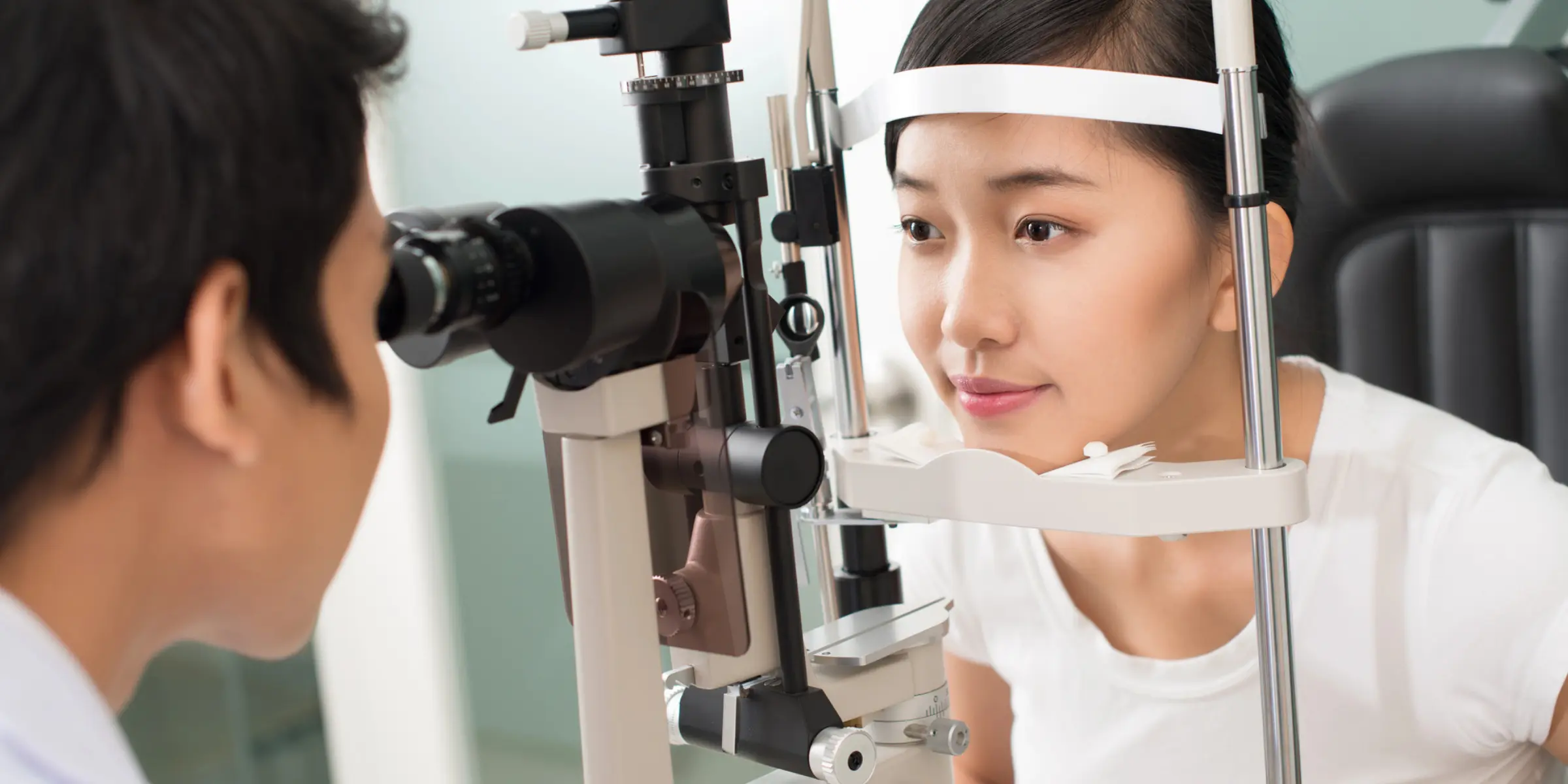
If you suspect that you are suffering from secondary cataracts after your cataract surgery, we cordially invite you to visit us at the Eye Laser Center Vienna (or Linz). During our non-binding preliminary examination, we will carry out a holistic diagnosis and find the optimal treatment option.
The YAG laser, also known as the yttrium-aluminum-garnet laser, is a high-precision instrument used in ophthalmology to treat post-cataracts.
The YAG laser generates short, intense light pulses in the infrared range, which have a high energy. This energy is generated and amplified by a special crystal material, the yttrium aluminum garnet crystal. The resulting laser light is extremely focused and enables very precise treatment that is gentle on the surrounding tissue.
Before the day of treatment arrives, you will have already been fully informed about the procedure, benefits, risks and side effects. Immediately before the treatment, you will be given eye drops to dilate the pupils so that you can see the posterior lens capsule better. Anesthesia is not necessary. The procedure is painless.
As soon as the drops have taken effect, you take a seat in front of the laser device and place your chin on a special support to keep your head stable during the procedure.
The ophthalmologist then places a special contact lens on your eye, which optimally directs the laser beams and enables precise focusing on the cloudy posterior lens capsule. The doctor can determine the exact position of the opacity through the eyepiece of the laser device. The cloudy capsule is cut through with short, controlled pulses of light from the YAG laser. The laser works with high precision and vaporizes the affected cells without damaging the surrounding tissue.
The targeted removal of the cloudy cells creates a clear opening in the posterior lens capsule, which allows light to pass through the eye unhindered and reach the retina. This leads to a significant improvement in visual acuity and eliminates the symptoms of cataracts.
The actual laser application only takes a few minutes. You will only hear a slight clicking sound and occasionally a brief flash of light when the laser pulse is emitted.
Arrange your non-binding preliminary examination at EyeLaser Vienna or Linz now. Regardless of whether you have already had cataract surgery at our laser eye center or at another laser eye clinic. We will find the right solution for your cataract and give you a clear view of the finer things in life again!
Don’t worry: the costs for the treatment of cataracts are usually fully covered by health insurance.
The YAG laser is the best way to remove the secondary cataract. Only in rare cases, in which the cataract is so severe that the YAG laser cannot be used, is a second surgical procedure considered. This is similar to the original cataract operation. The secondary cataract is removed manually.
If the secondary cataract is (still) so mild that you do not consider treatment with the laser to be necessary, the use of eye drops or glasses or contact lenses may be an option to alleviate the symptoms or delay a worsening.
There are currently no other options for removing the after-cataract after cataract surgery.
No incision is required and the patient does not need anesthesia. Rapid recovery with little post-operative discomfort.
The YAG laser enables precise and targeted treatment. The risk of damage to surrounding tissue is minimal.
The secondary cataract is permanently cured by the YAG laser. The risk of it occurring again is extremely low. And even then it can be treated again.
As a rule, treatment is covered by statutory and private health insurance companies in Austria. There are no or only low out-of-pocket costs.
The success rate with the YAG laser is over 95 percent. Almost all patients experience a significant improvement in vision after treatment.
The procedure only takes a few minutes per eye. Immediately afterwards, vision is clear again and the cloudiness has disappeared.
Patients can usually return to their daily routine on the same day. Side effects rarely occur and are usually temporary.
Treatment with the laser does not cause any pain. Not even a local anesthetic is necessary. No pain is to be expected after the procedure either.
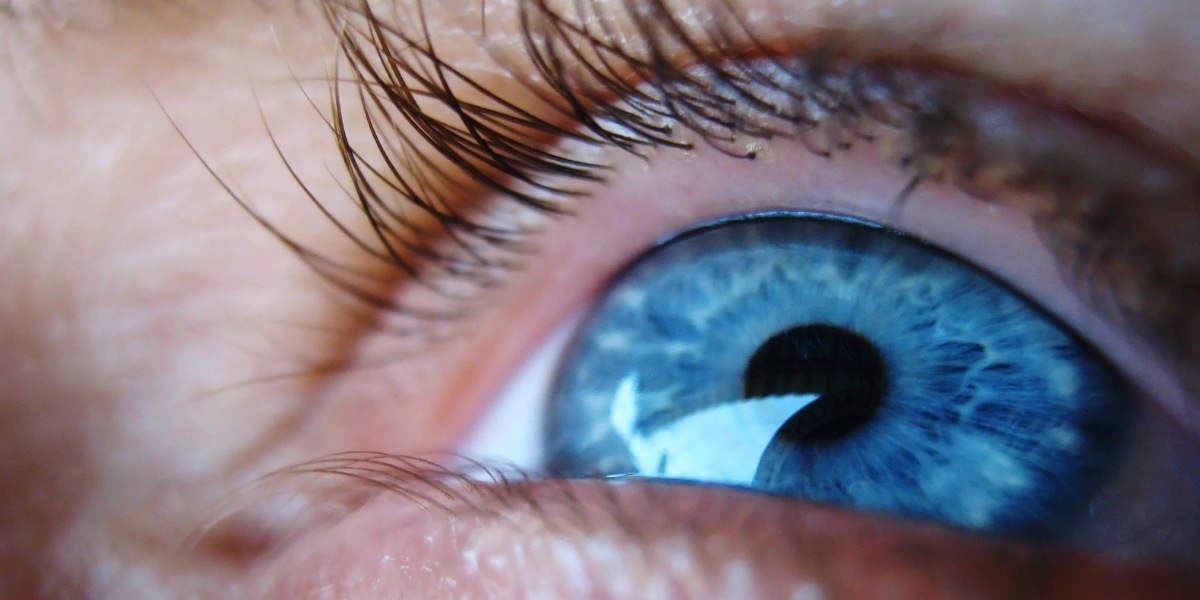
The treatment of a secondary cataract that occurs after cataract surgery is generally covered by health insurance in Austria. This is because cataract removal is a necessary medical measure to restore the patient’s vision.
If in doubt, you should always contact your health insurance company in advance and clarify whether the costs will be covered. This will help you avoid unexpected out-of-pocket costs. EyeLaser will also be happy to guide you through the approval process and provide the necessary documentation for the health insurance company to cover the costs.
The treatment of after-stars with the YAG laser is considered safe and effective, but as with any medical procedure, there are potential risks and side effects. The most common side effects include temporary visual disturbances such as flashes of light or streaks, which can occur shortly after treatment. These symptoms usually subside within a few days. In rare cases, there may be an increase in intraocular pressure, which is why regular checks by an ophthalmologist are important.
During your preliminary examination, including an informative discussion, our ophthalmologists at EyeLaser will talk to you in detail about the possible complications of cataract treatment. So that you can decide on the procedure with a good feeling!
Dr. Victor Derhartunian, FEBO, FWCRS & Dr. Paul Jirak, FEBO, in Vienna & Linz – recognised by patients with the DocFinder Patients’ Choice Award
Dr. Victor Derhartunian, FEBO, FWCRS, heads EyeLaser Vienna and has performed more than 25,000 laser procedures. He advises patients in German, English, Polish and French.
Dr. Paul Jirak, FEBO, is a specialist in ophthalmology and co-founder of a laser eye surgery centre in Austria. He has been treating patients in Linz since 2014. His focus is eye surgery and laser eye surgery.
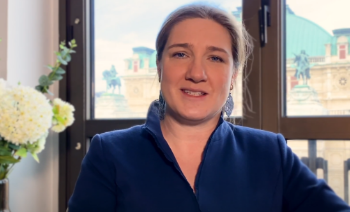
Dr. Leydolt is an ophthalmologist and specializes in cataract and lens surgery. She heads a research group with this focus, trains young surgeons and gives international lectures.
After cataract surgery, secondary opacification of the lens capsule can occur. Here you can find out everything you need to know about secondary cataracts: how they develop, when they occur and how they can be treated quickly and painlessly with the YAG laser.
Laser treatment to remove the after-cataract is a painless procedure in which the clouding of the posterior capsule of the lens is removed using a laser. The laser is coupled to a slit lamp in order to be able to work precisely. During the procedure, a contact lens is placed on the surface of the eye and the pupil is dilated with eye drops in order to better reach the capsular bag. The entire process only takes a few minutes and is usually performed under local anesthesia.
A secondary cataract occurs when lens epithelial cells remain and multiply in the capsular bag after cataract surgery following artificial lens implantation. These cells lead to a clouding of the posterior lens capsule, which impairs vision. The clouding of the lens capsule can lead to symptoms such as spots or thread-like opacities in the field of vision and sensitivity to glare.
The symptoms of an after cataract include a deterioration in vision, spots or thread-like opacities in the visual field, and increased sensitivity to glare. Patients find these opacities very disturbing and often report a new haze that impairs their vision. These symptoms often occur months after cataract surgery and are an indication that a secondary cataract has developed.
A secondary cataract occurs in around 20 percent of patients after cataract surgery and is a complication. The posterior lens capsule becomes so cloudy that vision deteriorates again. The clouding often occurs months or years after the original operation. The cause is that the cells on the lens capsule enlarge, blocking the incidence of light.
In rare cases, it only lasts a few weeks. In most cases, however, cataracts appear within a few months. In some cases, it can even take years before it becomes noticeable. The first symptoms that should alert you are: gradual deterioration in vision, glare, especially in poor light and loss of contrast. However, the good news is that cataracts are usually easy to treat.
The most effective and most common treatment for cataracts is with a so-called YAG laser. The cloudy lens capsule is precisely opened with the laser and the light can then fall unhindered onto the retina again, so that the restrictions are gone. The procedure is minimally invasive, painless and usually only takes a few minutes.
No, in most cases patients do not experience any pain at all. The eye is anaesthetized with eye drops before YAG laser treatment. All you feel or see is a small flash of light and you’re done.
The treatment of secondary cataracts is extremely safe and complications are rare. Nevertheless, comprehensive information is provided about the possible risks and side effects of cataracts and the preliminary examination ensures that the procedure is tailored to the individual.
Theoretically, yes. However, this is very rare in practice. In most cases, secondary cataracts do not occur at all. If it does, it is almost always resolved with a single YAG laser treatment. Only in the rarest of exceptional cases does it return later. But then a YAG laser capsulotomy can simply be performed again. Regular follow-up checks ensure that the secondary cataract can be detected and treated in good time before you even notice it.

Our laser eye surgeons Dr. Victor Derhartunian FEBO FWCRS & Dr. Paul Jirak FEBO will recommend the right treatment for laser eye surgery in Vienna & Linz during your examination!
„From the very first moment I felt in the best hands with Dr. Derhartunian. The whole team is incredibly friendly, well organised and really takes time for every patient.”
„I am very happy that I made this decision. One year after the operation everything is in perfect order. Getting up in the morning and not needing glasses any more is a completely different feeling.”
A secondary cataract is harmless and quickly treated. Everything about the original operation and the lenses: