Uncompromising Safety for a Life Without Limits

Augenlasern in Wien

An active lifestyle in and around Vienna challenges your eyes. Whether you’re climbing on the Rax, training at a martial arts club, or need to be 100% ready for action as an emergency responder: a blow or pressure to the eye must never have surgical consequences.

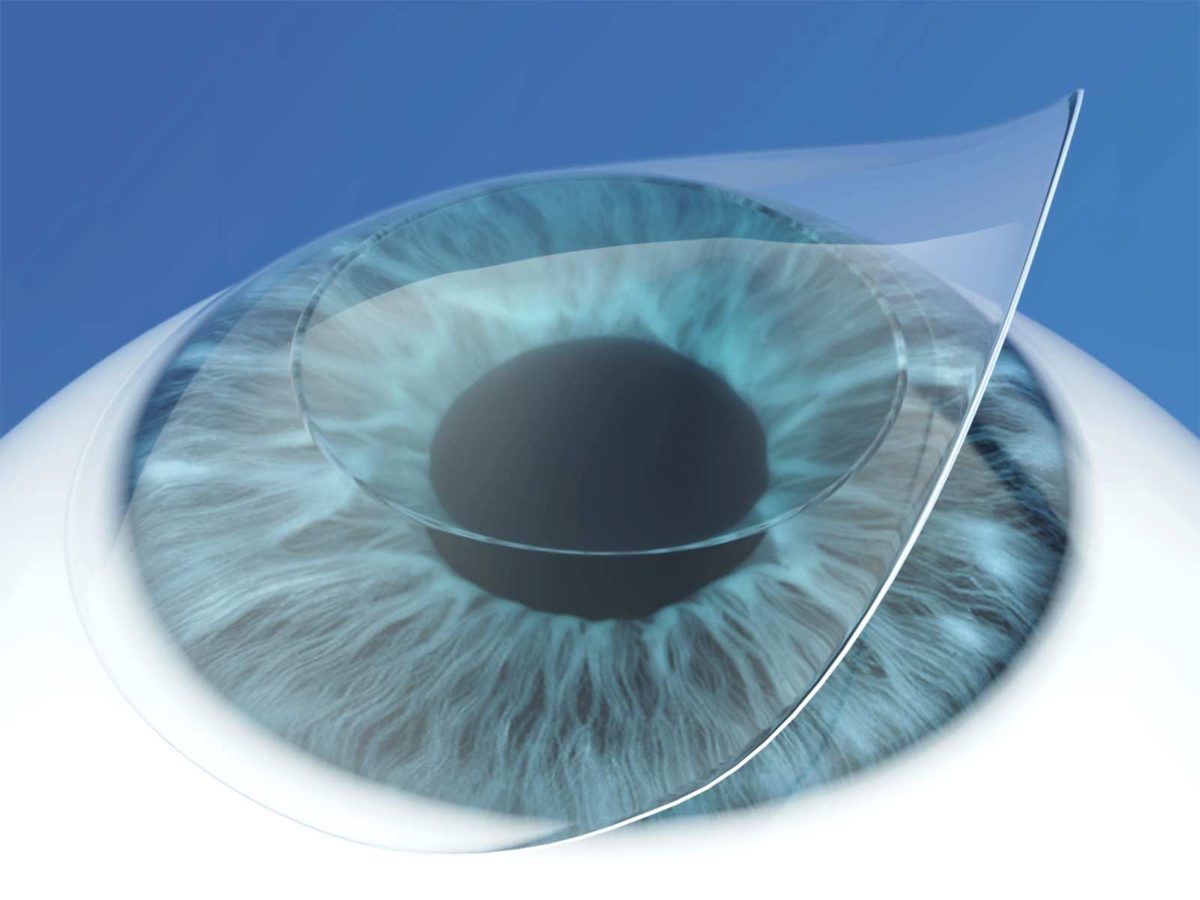
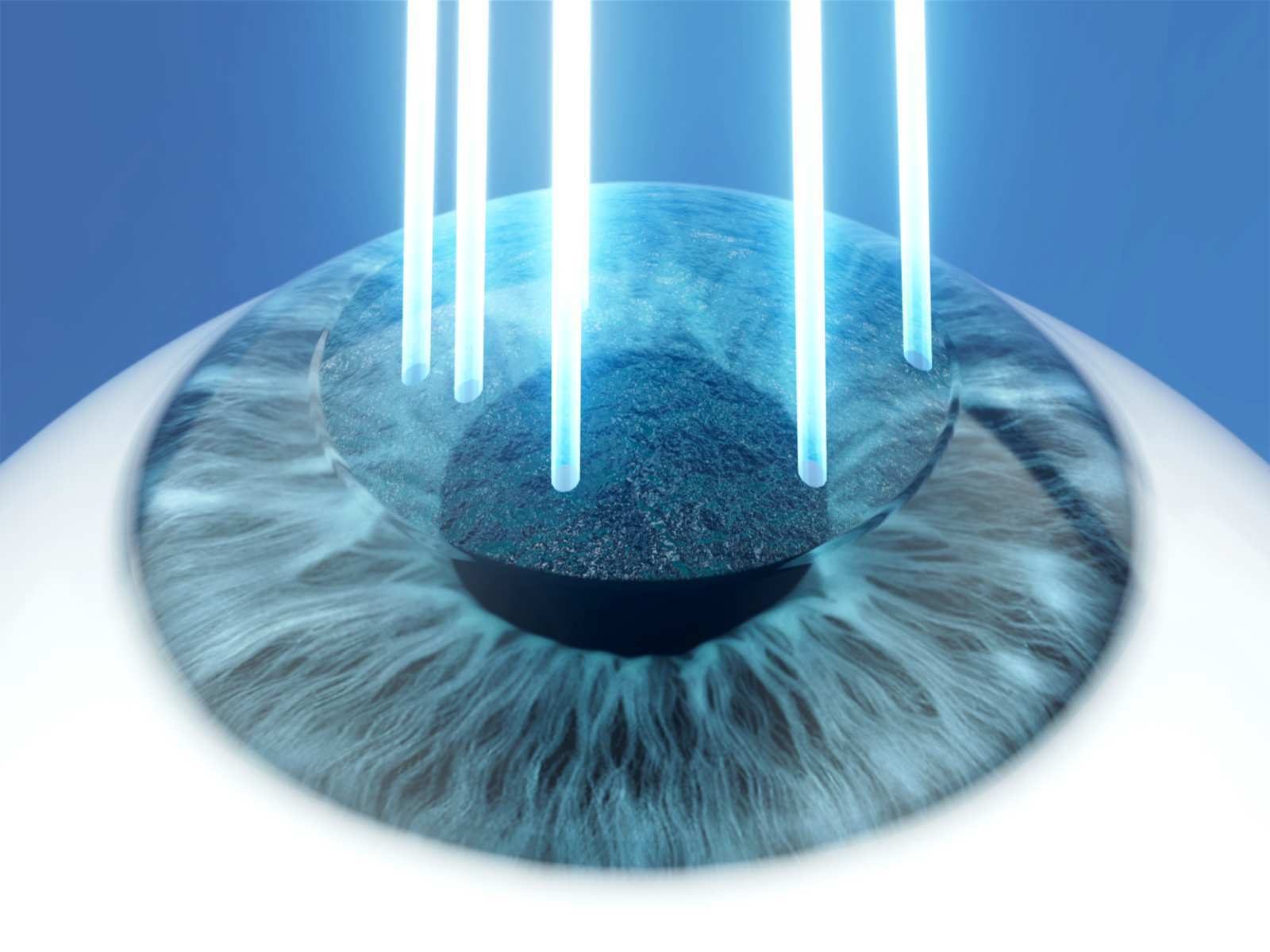
With procedures like Femto-LASIK, a corneal flap is cut. Even though it heals extremely securely, a theoretical residual risk remains in the event of massive trauma (blow to the eye). Trans-PRK eliminates this risk 100%. Since no deep incision is made, your eye remains as stable after healing as if it had never been operated on.

The Medical Masterclass: The One-Step Principle with SmartPulse®

Many patients read online about old surface methods (LASEK, PRK) where the eye was softened with alcohol and the top cell layer was mechanically scraped off. That’s a thing of the past with us.

Augenlasern bei hohen Dioptrien

We use the SmartSurfACE® technology of the Schwind Amaris 1050RS:

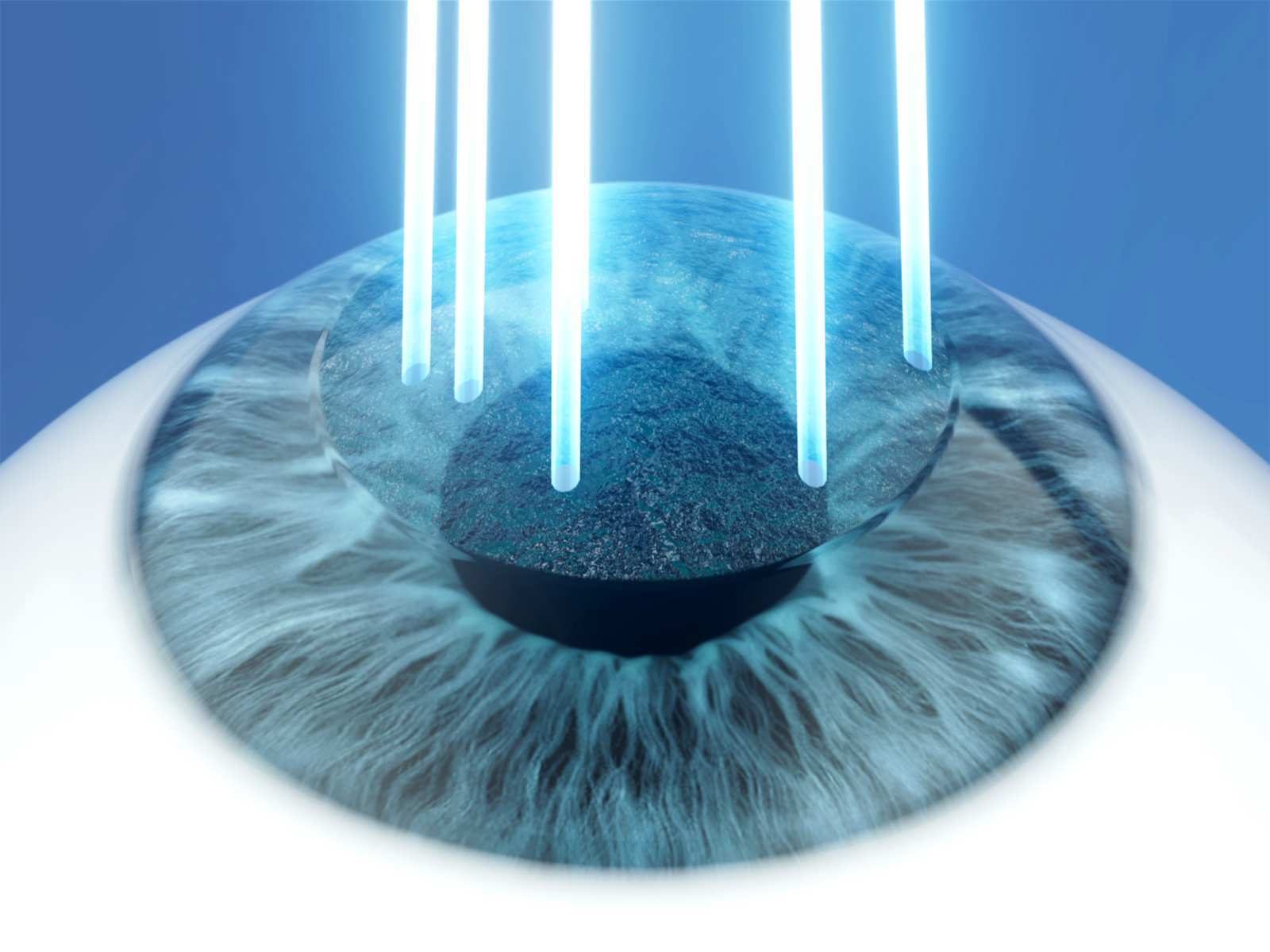
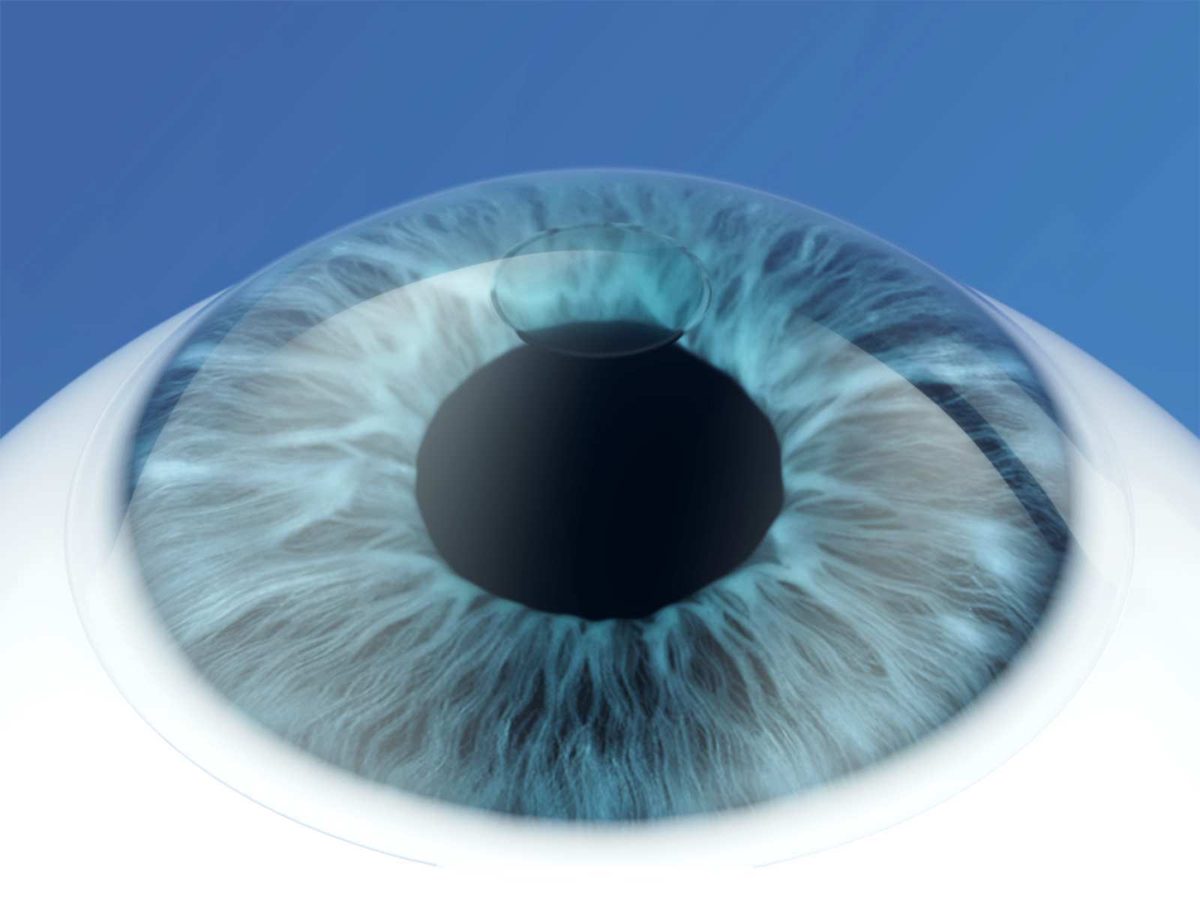
  • One-Step Ablation: Older lasers simply removed a blanket 50 micrometers of tissue. Our laser “knows” that the cell layer is thicker at the edge than in the center. It removes the epithelium and the underlying corneal tissue (for diopter correction) in a single, flowing step. This prevents the cornea from drying out during surgery.
  • SmartPulse®: The software uses a revolutionary geometric model that polishes the treated surface as smooth as glass. This massively accelerates cell regrowth compared to older methods.
  • The CXL Upgrade (Trans-PRK Xtra): For borderline thin corneas, we can combine Trans-PRK in the same session with crosslinking (corneal strengthening through UV light) to biomechanically “seal” the cornea for the rest of your life.

The Truth About Healing: A Short-Term Sacrifice for Lifelong Stability

At EyeLaser Vienna, we don’t sugarcoat anything. Transparency is our top priority. While the procedure itself is absolutely painless, Trans-PRK differs significantly from Femto-LASIK in the healing phase.

Keratokonus-Diagnostik

Why does it hurt after surgery?

The laser removes the top cell layer (epithelium). Fine nerve endings lie in this layer. Until the body has regenerated this layer (which takes about 3 to 5 days), these nerve endings are unprotected. This is comparable to a harmless but painful abrasion.

Your 72-Hour Survival Guide

Day 0 (Surgery Day)

After lasering, you receive a soft bandage contact lens in your eye that acts like a protective bandage.

Day 1 to 3 (The Rest Phase)

The eye usually reacts with severe burning, extreme tearing, and light sensitivity. Our advice: Darken your bedroom. Listen to podcasts or audiobooks instead of watching Netflix. Cool the eye area (without pressure) and strictly use the pain-relieving drops we prescribed.

Day 4 to 5 (The Turning Point)

The epithelium has closed under the bandage lens. You come to our office for the first follow-up. The doctor removes the protective lens. The burning stops almost instantly.

From Week 1

The pain is gone, vision gets sharper day by day. Crystal-clear final stability is usually achieved after 1 to 3 months.

Haze Prevention: Our Strict Medical Protocol

The biggest risk with surface treatments is so-called “haze”—a milky clouding of the cornea due to scarring. To prevent this, at EyeLaser we implement an uncompromising medical protocol on three levels:

Keratokonus-Diagnostik
  1. Intraoperative (Mitomycin C): While you’re still on the operating table, we apply the medication Mitomycin C (MMC) to the cornea for a few seconds. It blocks scar formation at the cellular level.
  2. Postoperative (Cortisone & Vitamin C): You receive a precise drop schedule with cortisone-containing eye drops. We also recommend high-dose vitamin C (e.g., 1000 mg/day), as it massively supports healthy collagen formation in the cornea.
  3. Lifestyle (100% UV Protection): UV radiation is the main trigger for haze. You must wear high-quality sunglasses outdoors for the first 3 to 6 months—even under cloudy Viennese skies.

The Big Method Comparison: When Is Trans-PRK the Best Choice?

Comparison: Trans-PRK (SmartSurfACE) · Femto-LASIK 7D · SmartSight (Lenticule)
Feature / Method Trans-PRK (SmartSurfACE) Femto-LASIK 7D SmartSight (Lenticule)
Incision Technique 🥇 No incision (“No-Touch”) Flap incision (approx. 20 mm) Minimally invasive (< 3 mm)
Biomechanical Stability 🥇 Maximum (100% intact) Very high (flap heals) 🥇 Maximum (No flap)
For Extremely Thin Corneas? 🥇 Yes (The safest choice) No Conditional (tissue limit)
Pain-Free After Surgery 🔴 Painful (Day 1-3) 🥇 Excellent Excellent
Visual Recovery (Sharp Vision) Longer (sharp from approx. week 1-2) Fastest (on day 1) Very fast (1–2 days)
Downtime (Work) Approx. 4 to 5 days 1 day 1 to 2 days

The EyeLaser Suitability Check: Traffic Light System for Trans-PRK

EDOF-Linsen

🟢 Green Light (Ideal Conditions):

  • Myopia (short-sightedness): Up to approx. -6.0 diopters (higher values increase haze risk).
  • Extremely thin corneas (where Femto-LASIK or SmartSight are no longer possible).
  • Professional athletes, martial artists (MMA, boxing), and emergency personnel (police/WEGA).
  • People with an absolute phobia of an “incision” in the eye.

🟡 Yellow Light (Precise Medical Clarification Needed):

  • Astigmatism over 3 diopters (healing at the surface is often less predictable than in depth).
  • Hyperopia (long-sightedness): Trans-PRK for plus values is often associated with a long and difficult healing phase. Here we preferably recommend Femto-LASIK.

🔴 Red light (Not suitable):

  • Very high myopia over -8 diopters. Here, the implantable contact lens (EVO ICL) is often the perfect and safe alternative.
  • Keratoconus (pathological corneal weakness) without accompanying crosslinking.
  • Severe rheumatic or autoimmune diseases (healing disorders).
Dr Victor Derhartunian

“Trans-PRK is a fascinating procedure from a medical perspective. I always tell my patients: We artificially put your eye into the state of a harmless abrasion. That’s uncomfortable for a few days. But the biological reward is immense. Since we leave the static architecture of the cornea untouched, your eye is just as resistant after healing as that of a person who has never been operated on. Those who make this short-term sacrifice receive the ultimate, lifelong gold standard for safety.”
– Dr. med. univ. Victor Derhartunian, FEBO

Maximum Stability for Your Eyes. Without Touch

Choose the safest and most biomechanically stable form of laser eye correction. Book your non-binding suitability check now. Experience high-end diagnostics and uncompromising medical expertise in our premium clinic in the heart of Vienna.

100% non-binding. No hidden costs. Highest medical standards.

Book a free eligibility check in Vienna now (15 min.)

Frequently Asked Questions (FAQ) About Trans-PRK in Vienna

4,9 von 5 – über 240 Google-Bewertungen für EyeLaser Wien & Linz